Exclusive Rights as Subscriber Magnet
Books Teaching This Pattern
Evidence
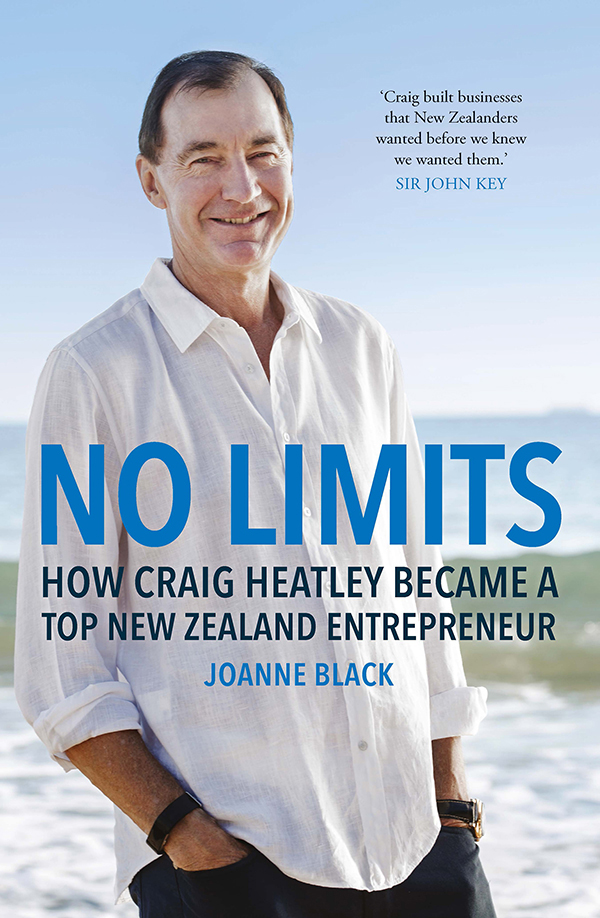
No Limits: How Craig Heatley Became a Top New Zealand Entrepreneur
Joanne Black · 4 highlights
"Learning how they operated, Heatley became determined that Sky would stagger the lengths of its contracts to prevent the studios acting in concert when the contracts expired. They might share other information but it appeared to him that the studios did not share information about the end dates of the contracts they were signing. That allowed Sky to do a three-year deal, which was about the norm, with one studio, while another was four years, and another five. When the contracts expired, he hoped the staggered terms would make it difficult for the studios to demand a huge hike in fees in order to renew at a time when Sky would be beholden to them. The strategy worked. By the time the contracts were renewed in the nineties, Sky had credibility and more bargaining power and it could deal with each studio individually on its merits. However, getting past the danger zone proved far more protracted and precarious than Heatley and Jarvis could, at the time, predict."
"Compelling sporting content, Heatley reckoned, would bring its own publicity. ‘Watch how much free publicity we get if we have exclusive All Blacks touring South Africa—and watch how many new subs we get,’ he urged. Sky should be budgeting in the expectation of buying exclusive rights to live coverage of the next rugby and cricket world cup competitions, along with rugby league and domestic rugby coverage. These events were critical. ‘We could have the best marketing in the world but if the product is not compelling we will not achieve the market penetrations that we can and thereby generate the profits that are there for Sky.’"
"Half an hour later the TVNZ team returned. Downey talked to them about contract law, about the nature of offer and acceptance. ‘This morning we made you an offer and you did not accept it so, to clear the air and make sure of exactly what we are saying now, that offer is gone because you did not accept it,’ he said. ‘We are starting again.’ In a brilliant deal for Sky, by the end of the negotiation TVNZ agreed to pay $5 million over three years—the same cost of Sky’s full package of rights from News Corp over the same period. ‘The beauty of the story for us,’ says Heatley, ‘is that for the first three years that Sky had wall-to-wall rugby, and while our subscriber numbers went through the roof, it cost us nothing. In exchange for a package of delayed rights and nothing live, we got TVNZ to pay us the same amount of money that we were paying Murdoch. I don’t want us to sound like smartarses, because I don’t mean it like that, but if TVNZ had been willing to pay that amount to News Corp, TVNZ could have won the exclusive rights for itself. But for various reasons the board of a government-owned company is a lot slower than the board of a private company. So instead of getting the rights itself, it had unknowingly just agreed to pay the full cost of us getting them.’ Ironically, just as Sky’s board had gone into the negotiation feeling under pressure from the government because Sky had the full package of rugby rights, TVNZ’s board had probably gone into the negotiation also feeling under pressure from the government because TVNZ did not have any rights. Board members may even have thought their jobs could have been on the line. After all, if the prime minister was angry that the live games were all going to be on Sky, how much angrier might he have been if TVNZ had emerged from the negotiations without even delayed coverage rights? For Sky, the deal was a triumph. ‘We felt very happy. It was fun,’ Downey says."
"On 4 June, Heatley wrote to Smith again, this time about the ESPN contract, but the theme was the same and he directly spelled out his concerns and the need for urgent action: ‘I don’t want to harp on about programming issues but the main problem we face is that most sports contracts (rugby, cricket, league, netball etc.) are multi-year deals and even if we decide to get aggressive now, it would be years before we have any significant impact.’[6](private://read/01jectdbce729daxqkxt7cbe8r/#mn29) The company had to lay the foundation for these exclusive deals now rather than keeping the strategy in reserve for when sales stalled, he urged. If Sky was going to get 20,000 subscribers in the next few years, it needed exclusive coverage that people wanted to see, in particular, sport with local teams. But it would be complex and expensive to arrange, so the Americans had to be convinced that it was the right strategy and then commit the time and money to achieving it."