Harvard Feast Carried Everywhere
Books Teaching This Pattern
Evidence
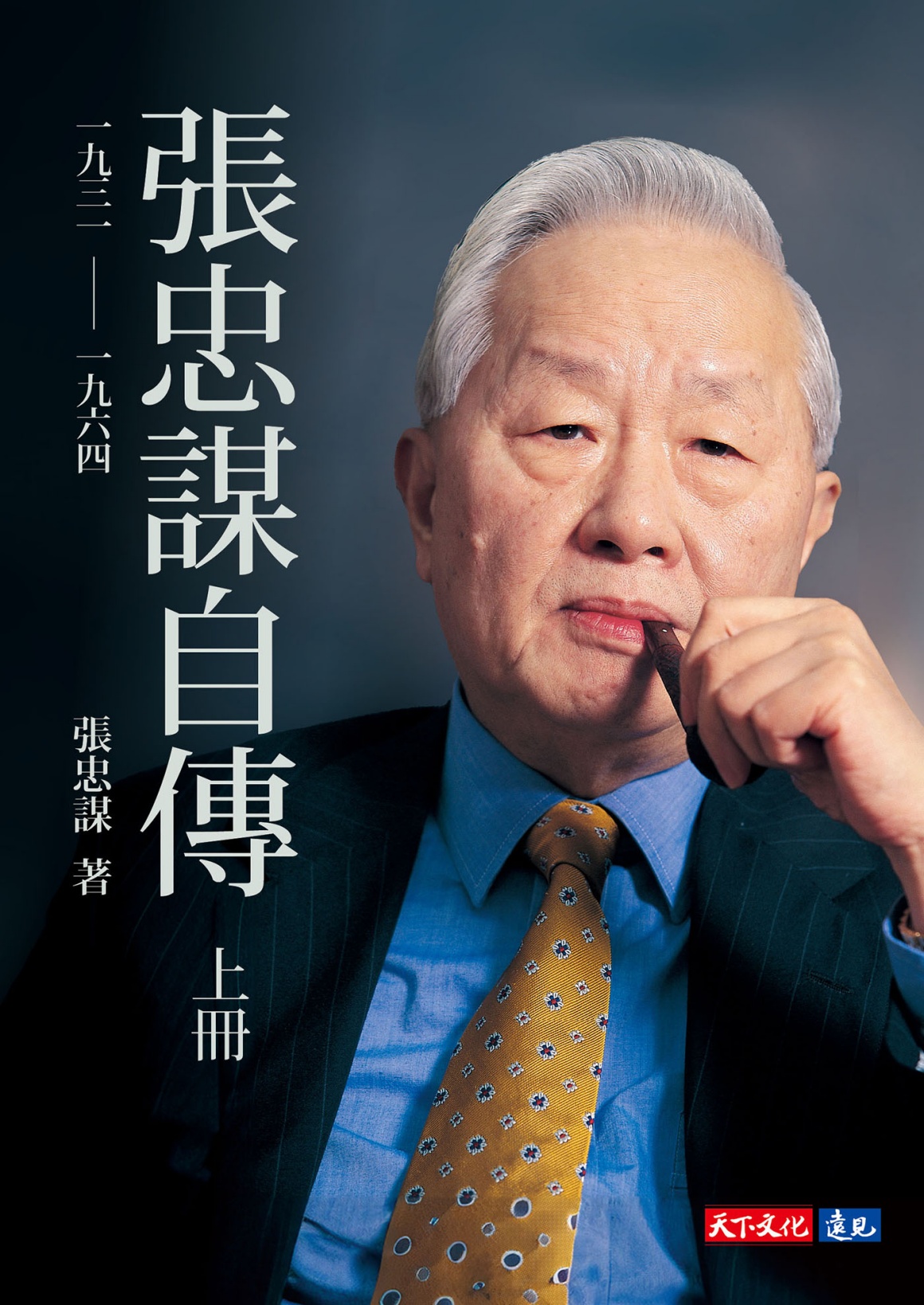
Autobiography of Morris Chang: Volume 1, 1931-1964
張忠謀 · 3 highlights
"Just as the literary giant Hemingway described Paris as “a moveable feast,” I describe my year at Harvard the same way. After that, I went through various stages—MIT, employment, entering Stanford for a Ph.D., and working at Texas Instruments—but no matter where I went or what I did, I carried this “feast” with me and continually enjoyed the knowledge, interests, and insights that this “feast” gave me. Even decades later, when I returned to Taiwan, although changes in time and place made it feel as if I were in another world, this “feast” still did not lose its freshness. It was as though I were still immersed in a rich, ever-changing, refined, and captivating atmosphere."
"In that one year at Harvard, the amount and breadth of my reading were something I never again matched later. I read Hemingway, Fitzgerald, Galsworthy, Sinclair Lewis, Jane Austen, Shakespeare, and Shaw; Churchill’s memoirs of World War II; famous speeches by modern American presidents; American history; Wells’s world history; several English books about China; and I also ventured into a few classical giants such as Gibbon’s The Decline and Fall of the Roman Empire, Adam Smith’s The Wealth of Nations, and even Marx’s Capital. Besides these major works, I subscribed to two newspapers, The New York Times and The Christian Science Monitor published in Boston, as well as Time magazine."
"With such broad coverage and such hunger, it would of course affect the time and energy for professional study, but viewed over the full course of life, it can truly be said to be “sharpening the knife does not delay cutting firewood”—he fundamentally remolded himself once."