Midnight Shift Yield Obsession
Books Teaching This Pattern
Evidence
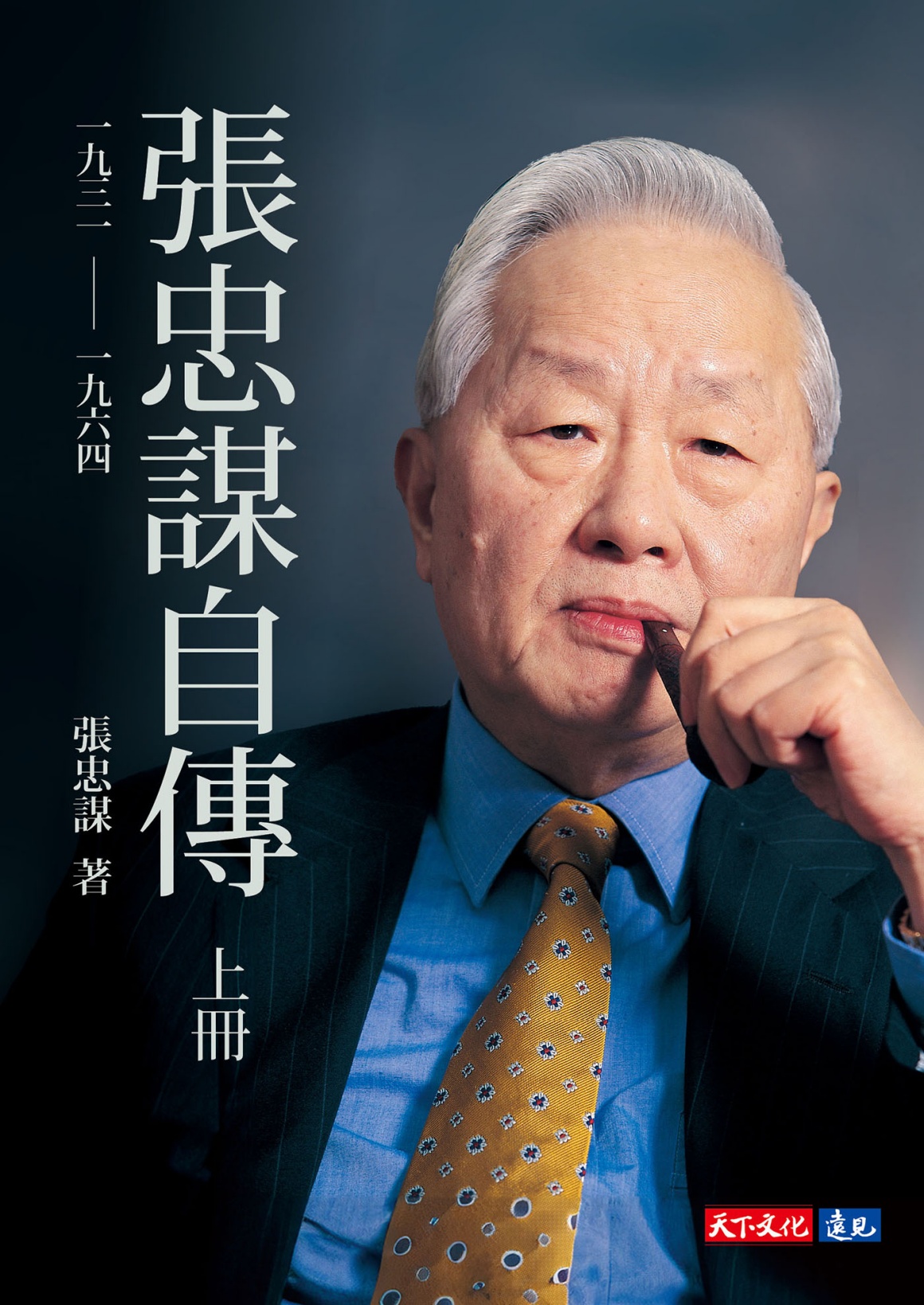
Autobiography of Morris Chang: Volume 1, 1931-1964
張忠謀 · 2 highlights
"In my first half year at TI, according to my neighbor, I became a “crazy worker.” I went to work at 8 a.m. every morning and went home at 7 p.m. for dinner. At 8 p.m. I went back to the plant to check the night shift’s results, and only went home after the third shift started at midnight. Of the two engineers under me, one worked hours similar to mine, and the other specialized in the second and third night shifts. No one told us to work this way; it was all voluntary, and we felt it was what we should do. Looking at other departments in the company, although our unit seemed to work harder than others, others’ working hours were also long. That was TI at the time!"
"That night I did not sleep at all—partly from excitement, partly from fear. Anyone familiar with semiconductors knows that semiconductor yield is not very stable. Reaching 25% on one day does not necessarily mean reaching 25% every day afterward. Fortunately, our process control was quite rigorous. After that, yields went up and down, but the weekly and monthly averages were always above 20%. A few months later, we made further improvements to the design and process, and the yield rose a few more percentage points. One year later, after continuous ongoing improvement, the yield was very stable at above 30%."