Wartime Childhood as Resilience Training
Books Teaching This Pattern
Evidence
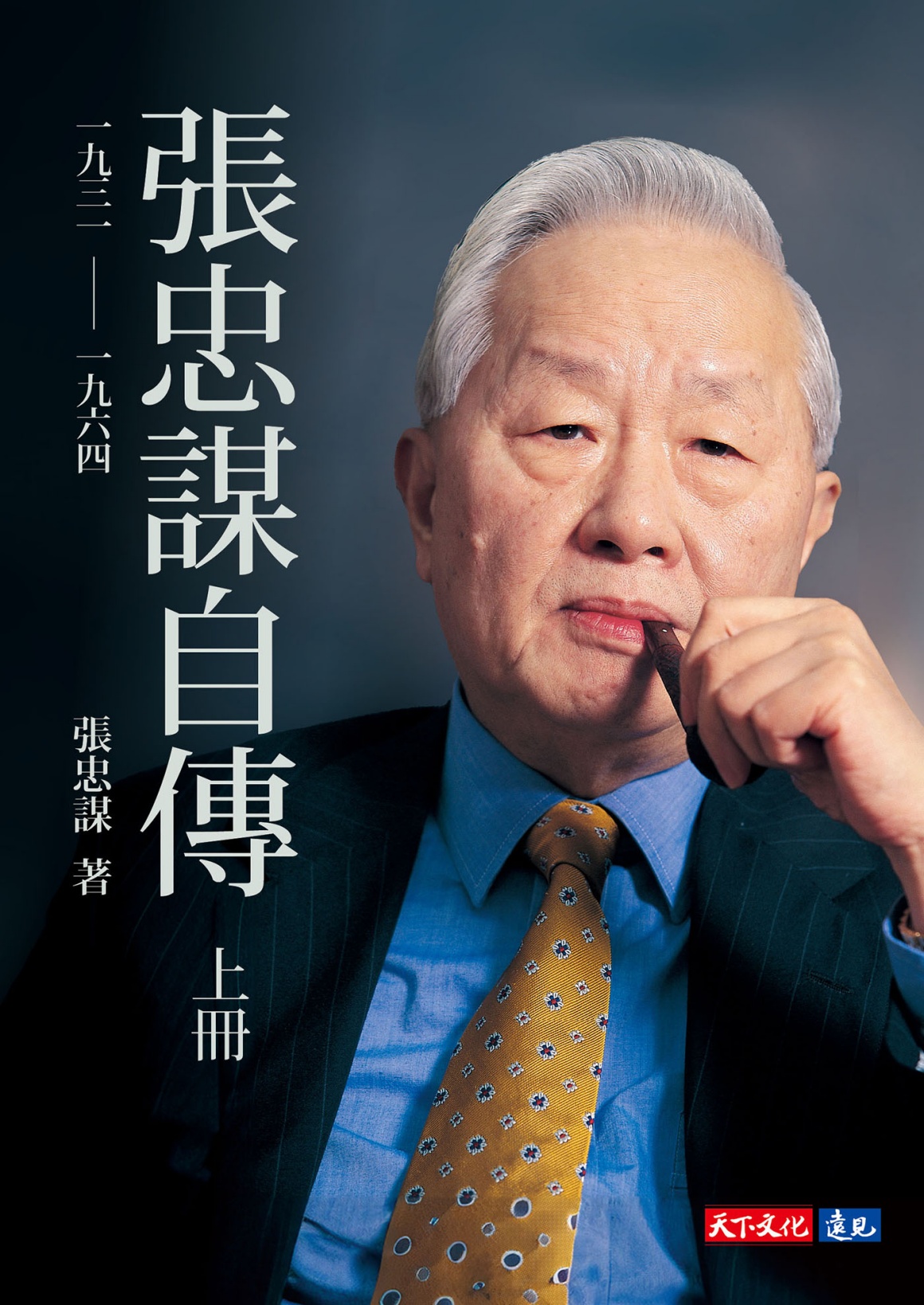
Autobiography of Morris Chang: Volume 1, 1931-1964
張忠謀 · 3 highlights
"Before I turned eighteen, I had already fled disaster three times, lived in six cities (Ningbo, Nanjing, Guangzhou, Hong Kong, Chongqing, Shanghai), and changed schools ten times. I had experienced gunfire (Hong Kong) and bombings (Guangzhou, Chongqing), and crossed battle lines (from Shanghai to Chongqing). I had a carefree childhood (Hong Kong), and also tasted the impassioned life of a middle school student during the War of Resistance (Chongqing); still more, I tasted the sorrow of leaving home and country, not knowing when I would return (from Hong Kong to the United States)."
"From Xuzhou to Luoyang, we used every kind of transportation we could: when we could take a truck we took a truck; when there were rickshaws or tricycles we took rickshaws or tricycles; when there were no vehicles at all we walked. When crossing the front line, we of course chose a section where there was no fighting, but there was absolutely no guarantee that there would not be gunfire or artillery; that section was entirely on foot. The journey from Xuzhou to Luoyang took several days. Each night we stayed either in small inns, or in small shops, or in temples. During wartime, in places close to the front line, troops often came to inspect travelers. I remember that one night, the ones who came to inspect us turned out to be the Nationalist army; for the first time since leaving Shanghai, smiles appeared on my parents’ faces!"
"Over the past several decades of life, I have already traveled a million miles, but no matter how comfortable or even luxurious travel in recent years has been, the journey I miss the most, the one that has the greatest meaning for me, and the one that left the deepest impression in my mind, is still the trek from Shanghai to Chongqing when I was eleven."