Staff Up Before the Breakthrough
Books Teaching This Pattern
Evidence
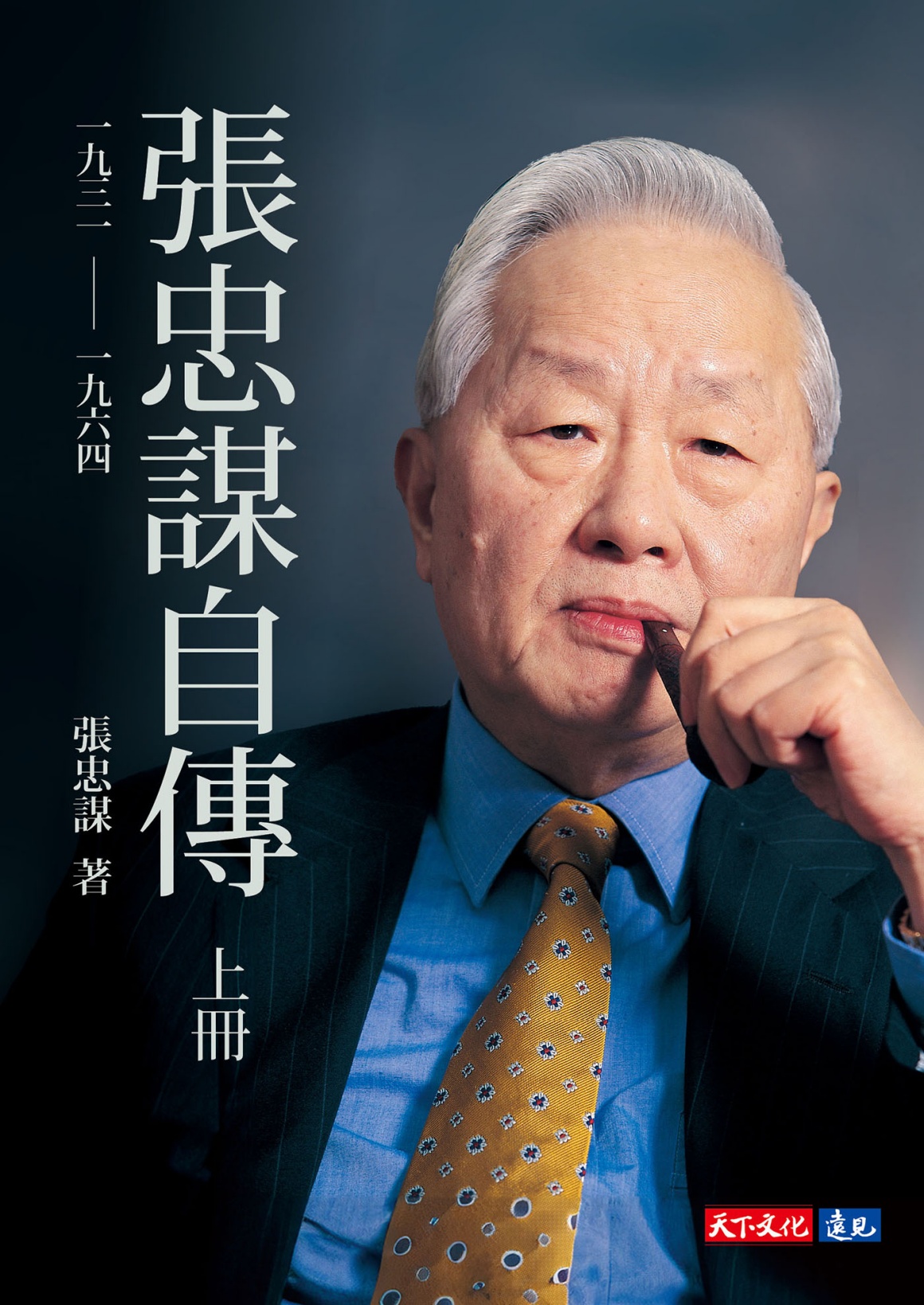
Autobiography of Morris Chang: Volume 1, 1931-1964
張忠謀 · 2 highlights
"This kind of team spirit in sharing hardship moved me, but it also brought immense pressure. Besides the operators, the foremen even more often asked what could be improved. Production director James Reese appeared on our production line every day, paying special attention to the progress of yield. Reese was one year older than I was, with an MIT bachelor’s degree in electrical engineering and a Harvard MBA. He quickly became a good colleague and good friend of mine. At that time, the nearly seventy of us were producing almost all scrap every day, yet every week he still wanted to add a few more people. I didn’t understand and argued with him. He said we should first hire enough operators and train their basic skills; once the yield made a breakthrough, we would have large quantities of product. Later developments proved he was right. A few months later the yield leapt forward, and we already had enough well-trained operators on the line. So in a short time, we not only made up the deliveries that should have been made but were not during the low-yield period, we also smoothly met IBM’s rapidly increasing demand."
"After the yield breakthrough for the NPN diffused type, IBM breathed a sigh of relief, because a major bottleneck in their computer production was removed. TI was even happier, because the customer was satisfied, and when pricing had been negotiated, the assumed yield was very low (close to the yield of IBM’s benchmark line). Now the actual yield was several times higher, and profits were also several times higher than expected. Luce’s gamble—fully staffing up when the yield was zero—also paid off."