Lucky Timing as Honest Accounting
Books Teaching This Pattern
Evidence
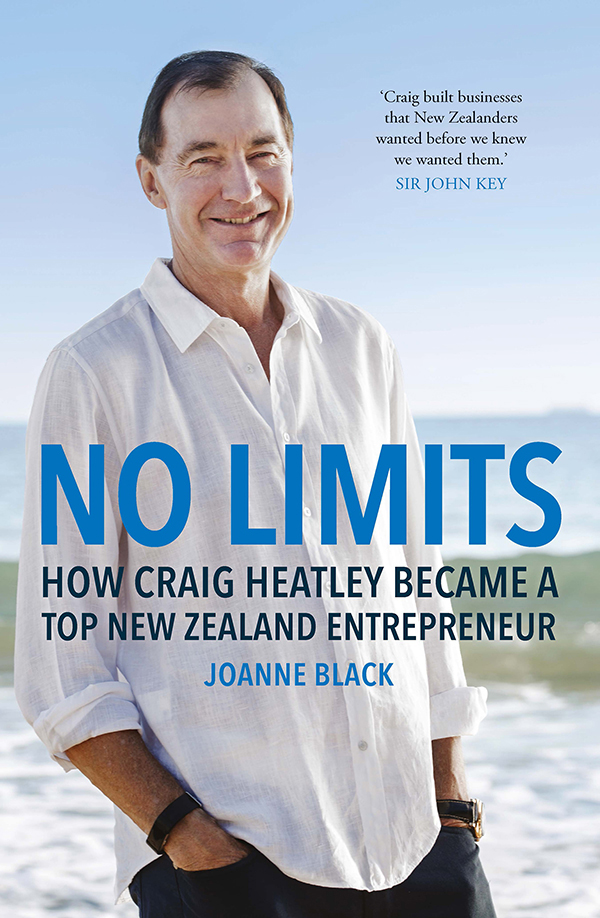
No Limits: How Craig Heatley Became a Top New Zealand Entrepreneur
Joanne Black · 2 highlights
"There is a final factor in his thinking about investing which neither he nor anyone else can do much about. It is the significant part played by luck. Good luck has made some investors rich, and bad luck has broken others. Heatley says he is living proof of the maxim ‘It’s better to be lucky than smart.’ His own first lucky break, he reckons, was that spell of good weather in Easter 1980 when he and John Sheffield opened Lilliputt in Taupō. Heatley was lucky again that overseas investment in the media had just been permitted, enabling Alan Gibbs to approach the Americans to invest in Sky, in 1991. It was third time lucky when rugby union turned professional in 1995, when Sky was in a better position than its competitors to sign up the live broadcast rights."
"BIL made its first bid for Equity & Law in early September 1987 and Brierley was proved correct when the French giant Compagnie du Midi quickly overbid. BIL now stood to make a £20 million profit on its 30 per cent stake. Then, Heatley recalls, Brierley said, ‘Oh, they’ll pay more than that.’ Brierley’s upped its bid for the company it did not want, to 450p per share, valuing the company at £453 million. There was a nervous wait before Compagnie du Midi came back and overbid again at 455p per share. Brierley’s brinkmanship had made his company a £42.9 million ($NZ106 million) profit. But just five days after the binding offer was made, sharemarkets around the world crashed. Brierley’s timing had been impeccable but far too close for comfort. ‘If Brierley’s had not been overbid they would have been in massive strife right then,’ Heatley recalls. ‘The French must have felt sick, although they ended up owning the company, and Brierley’s looked like heroes while I was left just thinking, Wow, these guys are cowboys.’ It seems ironic that Heatley’s General Motors suggestion had BIL thinking that he was too great a risk-taker for its taste just at the point where Heatley was reaching the same conclusion about Brierley’s. They were destined to part and, given their history, perhaps that should have been no surprise. Very soon there was a lot more on everyone’s minds than investment possibilities, though. In mid-October 1987, stock markets around the world began to slide. For many investors, executives, workers and companies, catastrophe was coming."