No Sentiment for Old Steel
Books Teaching This Pattern
Evidence
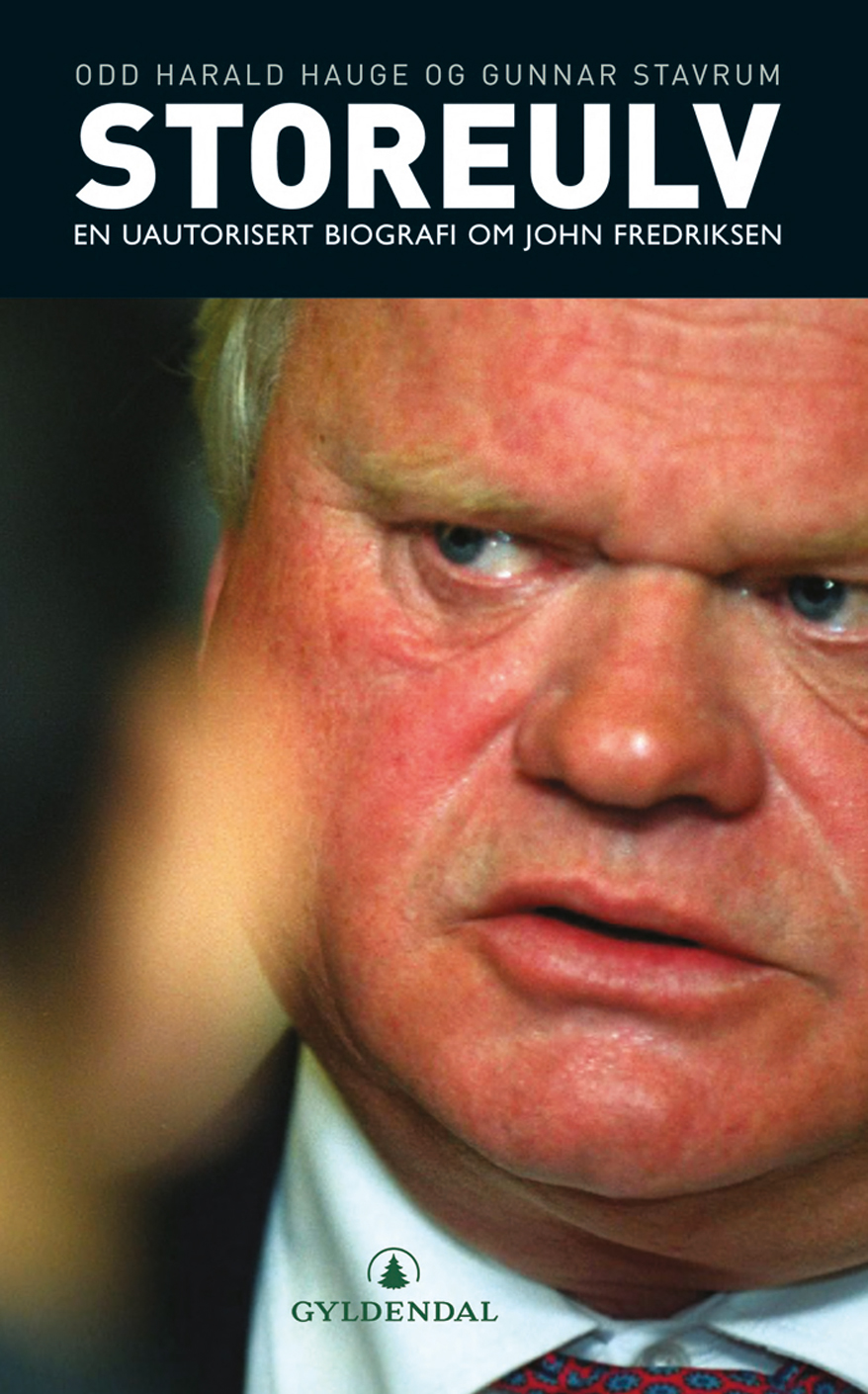
Storeulv (translated)
Odd Harald Hauge · 2 highlights
"f one is to explain John Fredriksen's success, one of the keys is the incredible ability the man has to shake off defeats and push on relentlessly. He himself believes he lost a billion kroner during the "liquidation sale" associated with the custody detainment in 1986. He slowly worked his way up again in Cyprus, only to face another debacle with the feverish contracting of tankers from South Korea in the early 90s. Another 1.5 billion kroner lost, according to the man himself. Few can lose a billion here and a billion there. For Fredriksen, it had become a habit, and the gambler Fredriksen wasn't easily intimidated. In the summer of 1996, he was more willing to take risks than ever before."
"John Fredriksen bought his first Frontline shares in the open market and paid with money. No one can criticize that. But the operations that followed had all the hallmarks of being a business within a business: Through Frontline, the shipowner had a golden opportunity to sell ships to himself and let others pay for it. Sven H. Salen had barely left the door before John Fredriksen made his first gigantic deal with himself. Within a few weeks in August, six oil tankers were sold from Fredriksen privately to Frontline for 357 million dollars, about 2.2 billion kroner. The transaction was made by Frontline taking over the ships with 208 million dollars in debt and giving Fredriksen 44 million Frontline shares as part of the purchase. This brought his ownership up to 64 percent of the shipping company. Admittedly, the matter was processed in the board and at the general meeting, but in practice, no one could oppose him – least of all the employees in Stockholm who now depended on the shipowner’s mercy."