Ride Winners, Cut Losers at Ten Percent
Books Teaching This Pattern
Evidence
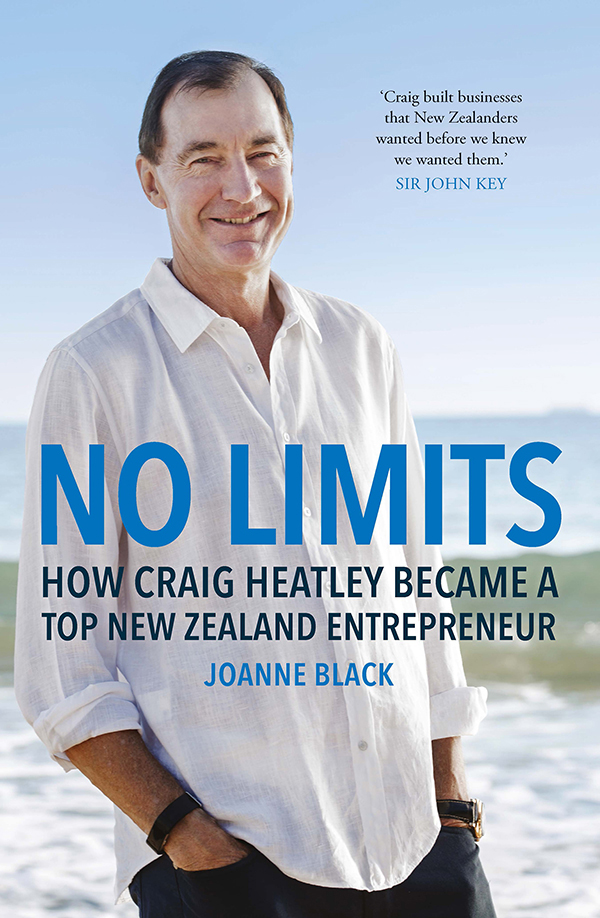
No Limits: How Craig Heatley Became a Top New Zealand Entrepreneur
Joanne Black · 2 highlights
"He cautions against investors having such faith in their own judgement that they hang on for too long to investments that are losers including, sometimes, their own companies. A successful friend of Heatley’s dumps any investment that has dropped in value by 10 per cent. ‘He rides his winners and cuts his losses and that is much easier to say than to do. Generally, people tend to think they are right, and one of the biggest mistakes people make is that they hold losing hands for too long. Once you’re emotionally invested, it’s tough to make rational decisions. Always be prepared to admit that you might have been wrong.’"
"While Heatley is ready to credit good luck as a significant factor in his success, he does not have the Midas touch. His biggest corporate success, Sky, became a household name but other investments have failed, some at considerable cost. In about 1999, Goldman Sachs suggested an investment that he says was touted to him as a great opportunity for a few affluent investors. Walker Wireless was a new company started by Rod Inglis that was aiming to provide a new broadband/wireless network in New Zealand. Heatley had always believed in the internet and in mobile technology, although he says his first instinct on Walker Wireless was ‘nah, no’. However, partially swayed by the other investors who were involved, he made an initial investment of $2–3 million. His mistake, he says, was that once he was close to the business and felt that it did not know what it was doing, he invested more. Start-ups, as he personally knew, often needed more capital than the founders had initially thought. But over about five years as the company lurched from crisis to crisis, always losing money, he invested $10 million, and lost it all. He considers it an expensive lesson in knowing when to cut your losses, although that point is often learned only with the benefit of hindsight overlaid with regret."