Risk Appetite As Primary Weapon
Books Teaching This Pattern
Evidence
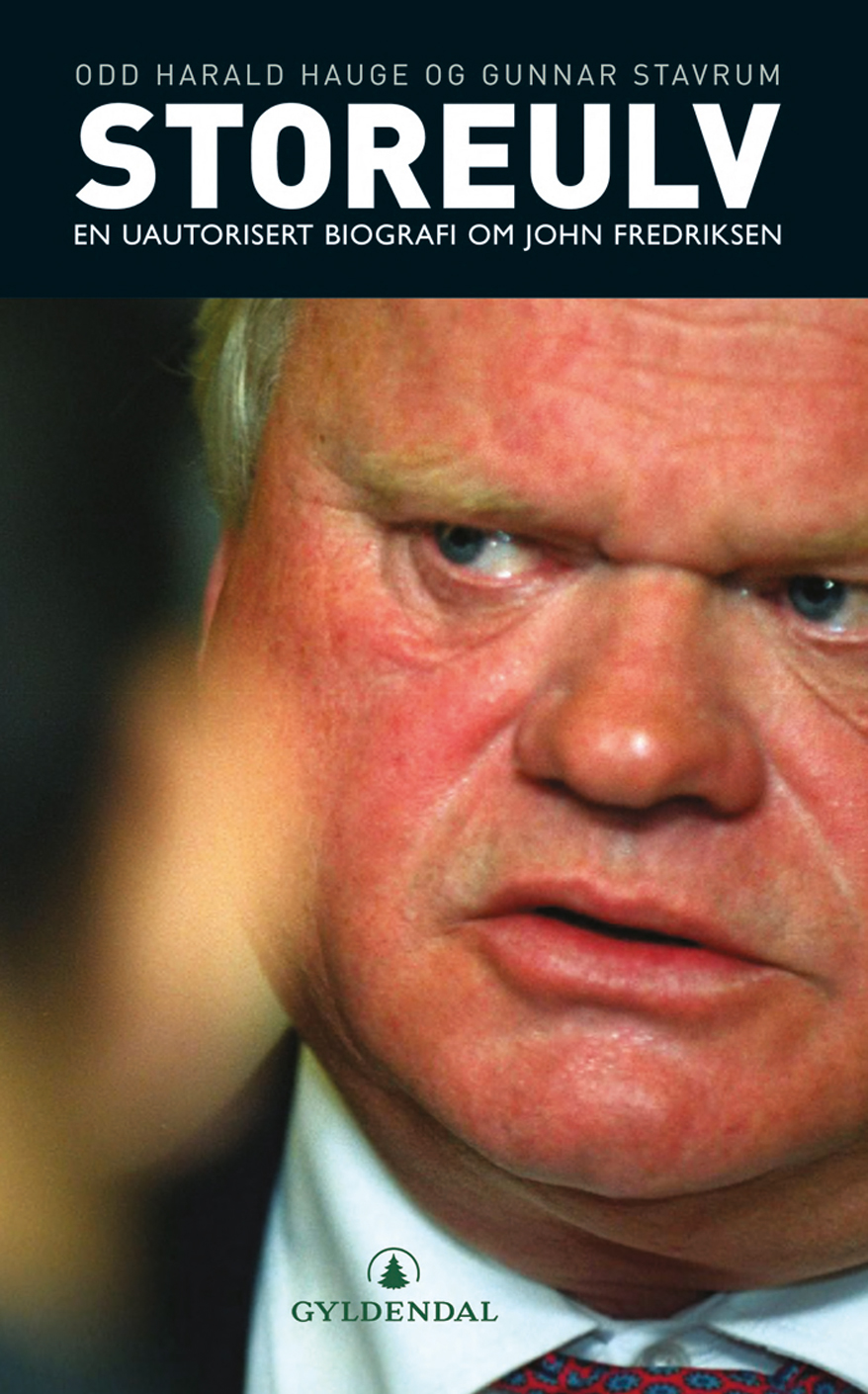
Storeulv (translated)
Odd Harald Hauge · 2 highlights
"If one does not feel like a real shipowner after this, then it is worth considering Frontline's situation. As much as possible, Frontline aims to avoid owning ships; they have leased them at a fixed price for the remainder of the ship's lifespan. All operations are outsourced, but to many different management companies so that Frontline can compare them against each other. They closely monitor all subcontractors and have a scoring system to rate them. There are 36 employees in the Frontline organization, including accounting in Bermuda, far fewer than one employee per ship operated. They have technical expertise, people who can handle chartering, they compile the accounts for all the ships and are good at financing. But what is really the core competence of the world's largest tanker shipping company? The core is undoubtedly John Fredriksen. No one disputes his vast knowledge of shipping; he is said to know every supertanker that floats. He has worked his way up from the telex machine, and no one can match his knowledge. Perhaps even more important, however, are his personal qualities. He has an apparent contempt for risk, which means that the gains are even greater when things go right. Where others choose to secure a bit, Fredriksen goes full throttle. Historically, it has not been the operation of ships that has yielded the greatest profits, it has been buying and selling. He does not fall in love with the steel giants; sentimentality has no place. Everything can be sold and bought as long as the price seems right. It requires no large organization, just one man's instinct. Fredriksen has shown this so many times that it is no coincidence."
"f one is to explain John Fredriksen's success, one of the keys is the incredible ability the man has to shake off defeats and push on relentlessly. He himself believes he lost a billion kroner during the "liquidation sale" associated with the custody detainment in 1986. He slowly worked his way up again in Cyprus, only to face another debacle with the feverish contracting of tankers from South Korea in the early 90s. Another 1.5 billion kroner lost, according to the man himself. Few can lose a billion here and a billion there. For Fredriksen, it had become a habit, and the gambler Fredriksen wasn't easily intimidated. In the summer of 1996, he was more willing to take risks than ever before."