Shareholder Cash-Flow Relentlessness
Books Teaching This Pattern
Evidence
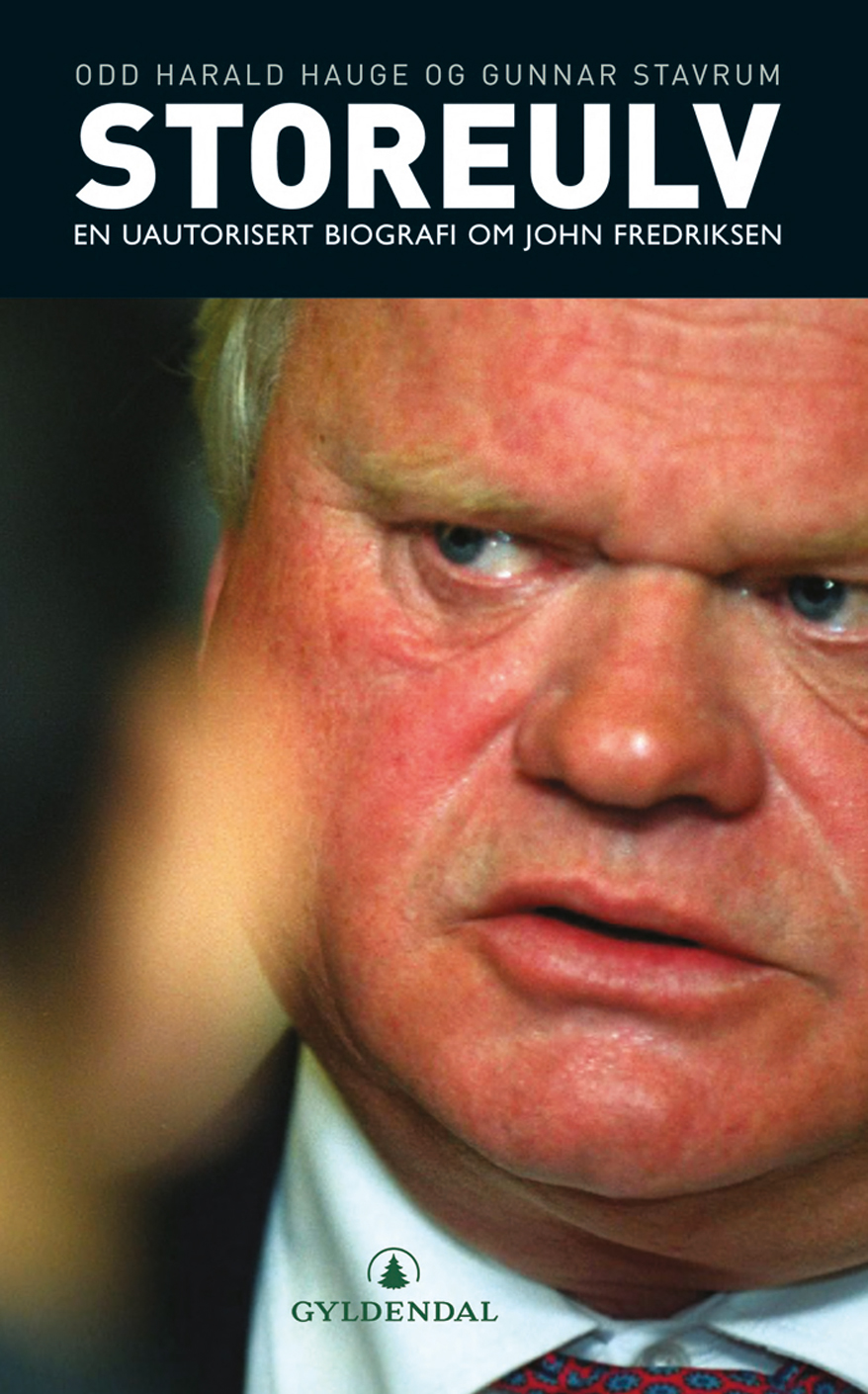
Storeulv (translated)
Odd Harald Hauge · 3 highlights
"For Frontline shareholders, the adventure continued. Even though the share price tripled through 2003, it rose a further 50 percent in the first quarter of 2004 when dividends are included. Those who thought the party was over then were wrong once more. The freight market was exceptionally strong throughout the winter, so the Frontline board could announce yet another record dividend for the first quarter, totaling 350 million dollars, nearly 2.5 billion kroner. And so it continued, each quarter. 100 million dollars, 200 million, 300 million dollars, combined with the distribution of more and more shares in Ship Finance, which could be sold on the New York Stock Exchange. No one could be more shareholder-friendly. A key reason that money could continuously be distributed was the lack of major expansion plans. Frontline was almost passive in the newbuilding market and did not need to hold capital in reserve. The man who had planned to think big, bigger, biggest all his career had begun to reap the benefits."
"In December 2003, Ship Finance was established as a subsidiary of Frontline. It placed a bond issue of $580 million, approximately 4 billion kroner, in the American market, with an interest rate of 8.5 percent. These funds, along with the takeover of existing mortgage loans in the fleet amounting to one billion dollars, were used to purchase 47 tankers from Frontline. At the same time, Frontline entered into an agreement to lease back the ships at a fixed price for the remainder of their estimated lifetime. For the supertankers, the guaranteed price was $25,575, lower than the average over the last 14 years. If Frontline earns more in the market than the guaranteed price in the future, Ship Finance will receive 20 percent of the profit. The real feat here was getting investors to buy the bond issue. They have little opportunity for gain, just a fixed interest rate. For Fredriksen and the other shareholders in Frontline, however, there were only opportunities. From the first day, Frontline distributed 25 percent of the shares in Ship Finance to its shareholders, and applied for a listing on the New York Stock Exchange. By 2004, the rest of the shares were either to be distributed to Frontline shareholders or sold in the market by Frontline – to the delight of the shareholders. As soon as the money from the sale of the 47 ships was in the account, Fredriksen turned around and distributed 2.3 billion in dividends to the shareholders, about 30 kroner per share. And everyone knew there was more to come, as Frontline was not supposed to keep more money in cash than the company was required. Thus, one of the smartest and most creative operations in international shipping was ever completed. The cake was eaten. And it was still on the table."
"It was the legend John Fredriksen the market was buying. They sensed that things would move fast, Fredriksen had aimed to consolidate the industry, nothing less. And one would not be slowed down by formalities, the board of SeaDrill was fully recognizable. Moreover, one could expect that the money would go to the shareholders as soon as there was something to distribute, everyone had learned that lesson. Such things are particularly liked in the homeland of dividends, the USA. When Frontline announces a large dividend, it is a topic on the major TV channels across the country. In the USA, John Fredriksen is big, he is the only Norwegian who matters in international business. – Are you a friend of John? is the control question you get in finance. Then it’s important to know Big John. Even though the information in SeaDrill was sparse and the figures airy, it was absolutely rational to shift focus from oil tankers to rigs. A supertanker and a drilling rig cost almost the same to build, but the rig commands much higher daily rates, even adjusted for significantly higher costs. Therefore, Fredriksen ordered new rigs and drilling vessels at a furious pace in the summer and fall of 2005, and with each order came the option for more. In a short period, contracts worth 10 billion kroner were signed."