Stagger Contracts to Break Supplier Cartels
Books Teaching This Pattern
Evidence
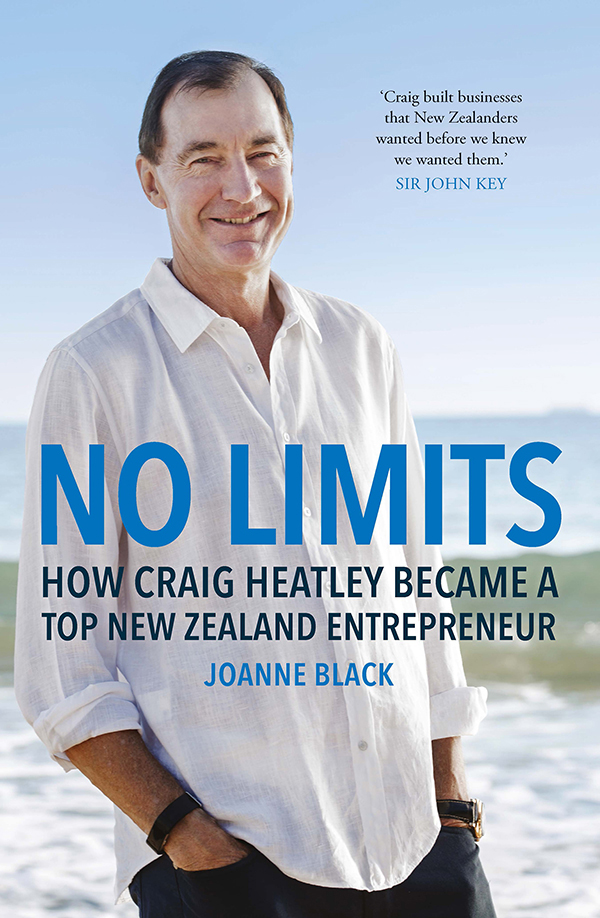
No Limits: How Craig Heatley Became a Top New Zealand Entrepreneur
Joanne Black · 2 highlights
"Learning how they operated, Heatley became determined that Sky would stagger the lengths of its contracts to prevent the studios acting in concert when the contracts expired. They might share other information but it appeared to him that the studios did not share information about the end dates of the contracts they were signing. That allowed Sky to do a three-year deal, which was about the norm, with one studio, while another was four years, and another five. When the contracts expired, he hoped the staggered terms would make it difficult for the studios to demand a huge hike in fees in order to renew at a time when Sky would be beholden to them. The strategy worked. By the time the contracts were renewed in the nineties, Sky had credibility and more bargaining power and it could deal with each studio individually on its merits. However, getting past the danger zone proved far more protracted and precarious than Heatley and Jarvis could, at the time, predict."
"ESPN, which produced thousands of hours of televised sport, was a key to making Sky’s sports channel work. Although ESPN’s sport was not the most compelling for a New Zealand audience—being mostly US-centric baseball, motor racing and gridiron—a dedicated sports channel soaks up a lot of material. ESPN was the biggest sports network in the United States and Sky needed ESPN’s volume. ESPN knew that too. It was in a position to drive a tough bargain, and it did. Negotiations went on for more than a year, concluding only when Sky agreed to a contract that gave ESPN a minimum of US$1.75 million per annum, paid quarterly in advance with an additional fee of 40c per subscriber per week once subscriptions reached more than 150,000. The contract was for seven years with an annual escalation clause. But the requirement that most staggered Heatley and Jarvis was that ESPN also demanded 5 per cent of their company and a seat on Sky’s board. ESPN was the single toughest company that Sky had to deal with."