State Broadcaster Arrogance as Opening
Books Teaching This Pattern
Evidence
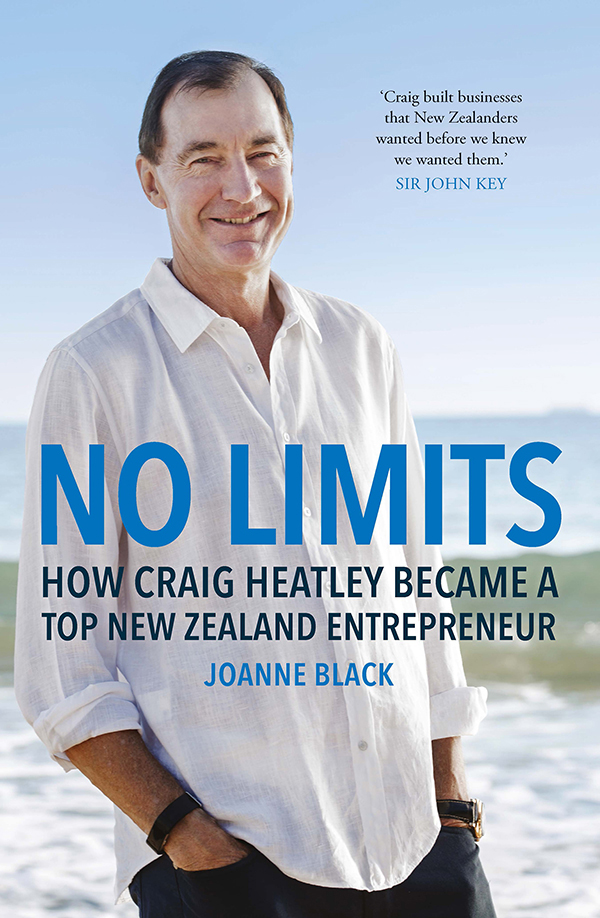
No Limits: How Craig Heatley Became a Top New Zealand Entrepreneur
Joanne Black · 3 highlights
"In its negotiations, Sky tried to persuade the studios to allow it to take movies directly after their cinematic release. Sometimes studios would agree because, Heatley says, they did not like TVNZ. The New Zealand broadcaster had a take it or leave it attitude when it came to negotiating and relied on studios preferring to get some kind of return from New Zealand rather than none at all, he contends. While there was no competition, that approach worked. It might have annoyed and frustrated studios, but it was advantageous for TVNZ and for taxpayers since it meant that movies could be purchased more cheaply. He says that often studios would tell Sky that it would get a deal at reduced cost ‘just to piss off TVNZ because it had a reputation for arrogance’."
"Through the early nineties, Heatley closely observed the debate. Professional rugby would need money. Sky needed rugby coverage. The synergy was plain but the breakthrough was elusive. ‘We knew rugby was the Holy Grail,’ Heatley says. ‘If the rugby union would agree, we thought there was potential for us to cover some of the minor games that otherwise got no TV coverage. That would give us a foot in the door. It was a time when rugby was still a religion, yet almost no domestic rugby was shown live and, before Sky, even a test match might be on at 2 p.m. at Eden Park and the soonest TVNZ might have the game on would be 3.30 p.m. or 4.30 p.m.’ Rugby authorities were worried that if people knew that they could see a test match on TV, even delayed coverage might reduce the vital gate takings that were every rugby union’s main source of revenue. To Heatley’s mind the situation also illustrated how much TVNZ, with no competition, took its viewers for granted. Live coverage was, and still is, expensive to produce, so TVNZ had no incentive to spend a lot of money on live broadcasts when viewers had no chance of seeing the game on another channel. If viewers had to wait two hours until after a game had started, and then the coverage was interrupted by advertisements, TVNZ had nothing to lose because viewers had nowhere else to turn."
"It was a fair point. If TVNZ had bid US$350,000—and Sky knew that figure—and TV3 did not bid at all, then Sky was the only potential bidder left so had not needed to pay so much. However, doing so signalled that the market had changed and that Sky was prepared to pay a significant premium for exclusive rights. It wanted to dominate live sports coverage on New Zealand television. TVNZ was furious. ‘If the time for co-operation is at an end and Sky is to “go it alone” then, clearly, we must be formally instructed so that we can end the feather-bedding arrangements put in place to assist Sky,’ remonstrated Harman.[3](private://read/01jectdbce729daxqkxt7cbe8r/#mn26) It was not up to Sky’s executive to terminate agreements laid down in the original and subsequent shareholders’ agreements, he wrote. The board and shareholders needed to do that and Harman was requesting an urgent board meeting to be preceded by a shareholding meeting."