Subscriber Economics Over Advertising
Books Teaching This Pattern
Evidence
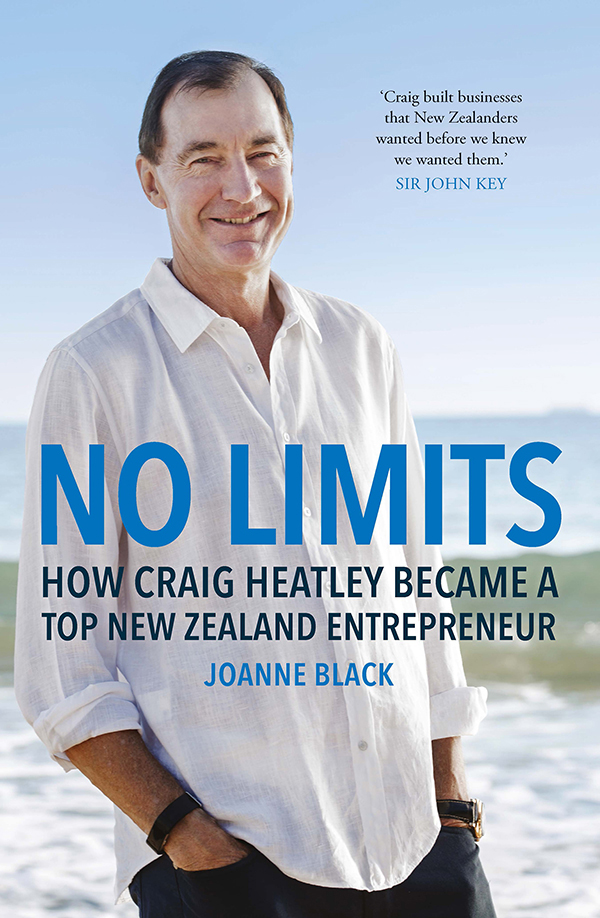
No Limits: How Craig Heatley Became a Top New Zealand Entrepreneur
Joanne Black · 2 highlights
"Sky tried to keep costs down but even without big-name TV stars, which Sky did not need, it was hard. ESPN would send hours of sports programming daily, which Sky had to filter, view, select, edit, package and broadcast to New Zealand viewers, and as soon as it was done they needed to start on the next day. It was labour-intensive work. Sky had only 200 staff to TV3’s 300, and more savings were hard to find. Hardware like antennae and decoders had to be paid for. The advertising budget was high because, without commercials, subscribers were the only source of revenue, so trying to sign them up through advertising campaigns seemed vital. But without change, Sky was unsustainable."
"From its first day on air in mid-1990 and into 1991, the company struggled. At one point, Sky ran a door-to-door campaign where a Sky representative would offer a decoder for free, which they would personally hook up then and there, plus a free subscription for three months. If at the end of that time the household liked the service, they could keep the decoder and pay weekly thereafter. The strategy, like many of Sky’s other marketing ploys, temporarily boosted subscribers but there were also a large number of households who rejected the offer outright or returned the box after the three months. The rate of subscribers dropping out was high and trying to combat churn was a constant headache."