Environment Over Individual Talent
Books Teaching This Pattern
Evidence
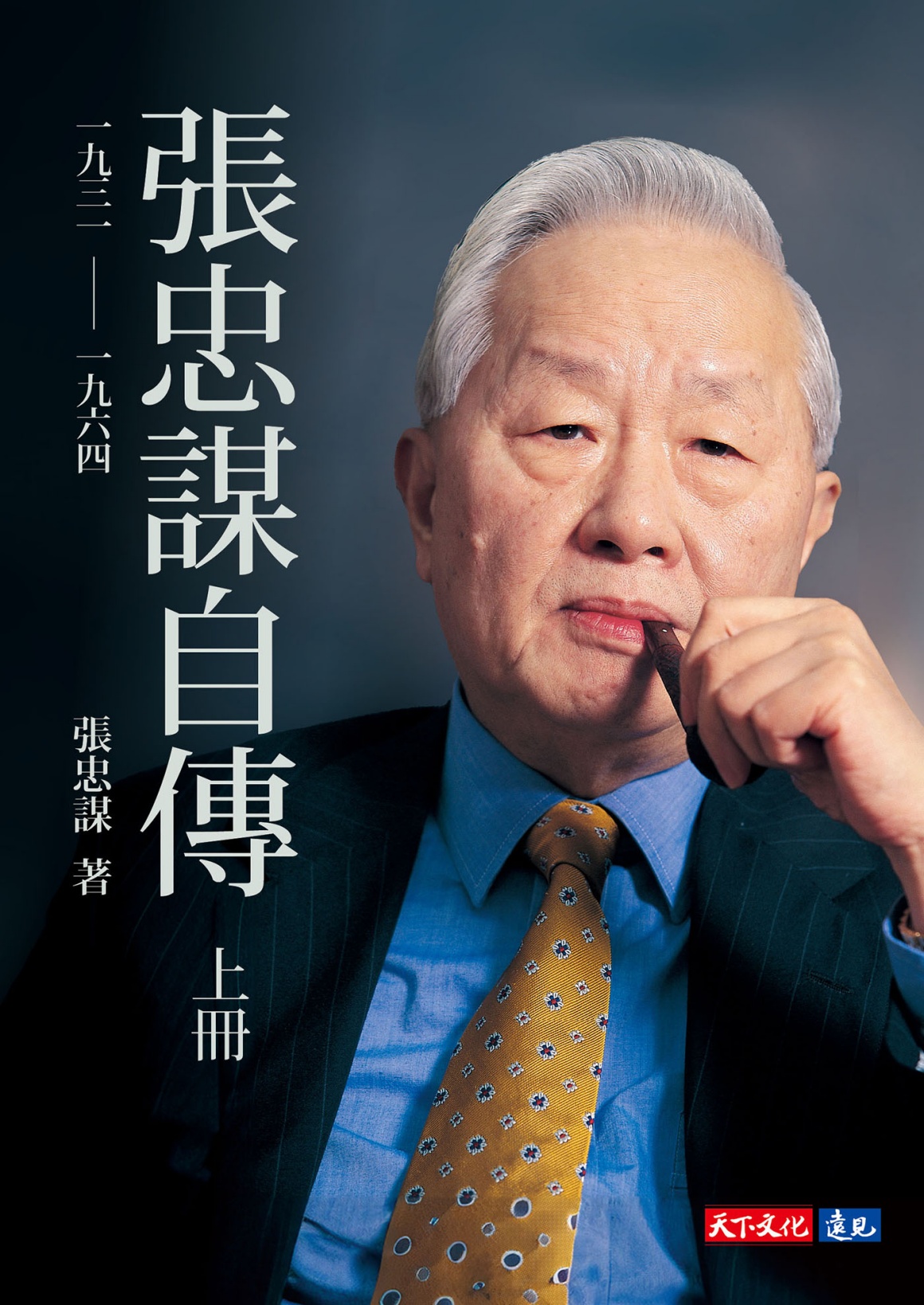
Autobiography of Morris Chang: Volume 1, 1931-1964
張忠謀 · 2 highlights
"If I ask myself honestly, why was it that I could achieve some results as soon as I “first tried to make my name” at TI? In my first half year at TI, what I knew and what I could do was not much different from the latter part of my time at Sylvania; at Sylvania, my colleagues and I under Cory also designed and developed quite a few decent transistors, but in the end those achievements all faded into obscurity. Why? At Sylvania, I did not have a big customer anxiously waiting for delivery—if I succeeded in production, he would immediately relax; I did not have a supervisor who had already negotiated a reasonable price with the customer—if I broke through on yield, he could make a lot of money; I did not have a production department that cooperated closely like Luce’s, full of confidence, gambling together and winning together; I did not have a group of enthusiastic operators with team spirit, pulling together through hardship and cheering and dancing with excitement in success; and I especially did not have senior management who could understand the problem and appreciate the achievement. These conditions that I did not have at Sylvania but did have at TI were all because TI and Sylvania were two companies different in nature—different environment, different people. TI gave me opportunities that Sylvania never gave me."
"And what a vigorous company Texas Instruments was! Employees seemed to walk a bit faster than at Sylvania, and their backs seemed a bit straighter too. “Tired” was practically an adjective you never heard. At that time, the standard workweek in the United States was forty hours, but TI’s working hours were at least fifty; it was common for someone to bring a canvas cot to work in the morning, planning to sleep in the office at night. Working on Saturday mornings was an unwritten rule, and except for the most junior employees, no one received overtime pay for extended hours. I also discovered that within the company, “failure” was never accepted; “setbacks” could be understood, even sympathized with. But the person who suffered a setback had to pull themselves together and start again; if there was another setback, start again—until success. I also found that this was a very talkative company, where no one was afraid to voice opinions, even if some were very naive. In my first few months on the job, several times the production line’s yield suddenly dropped or failed to rise as expected; not only engineers and technicians, but even line operators would offer suggestions—and do so enthusiastically. Their suggestions were not necessarily adopted, but even after repeatedly hitting a wall, they would still continue to express their views."