Majority Means Mandate
Books Teaching This Pattern
Evidence
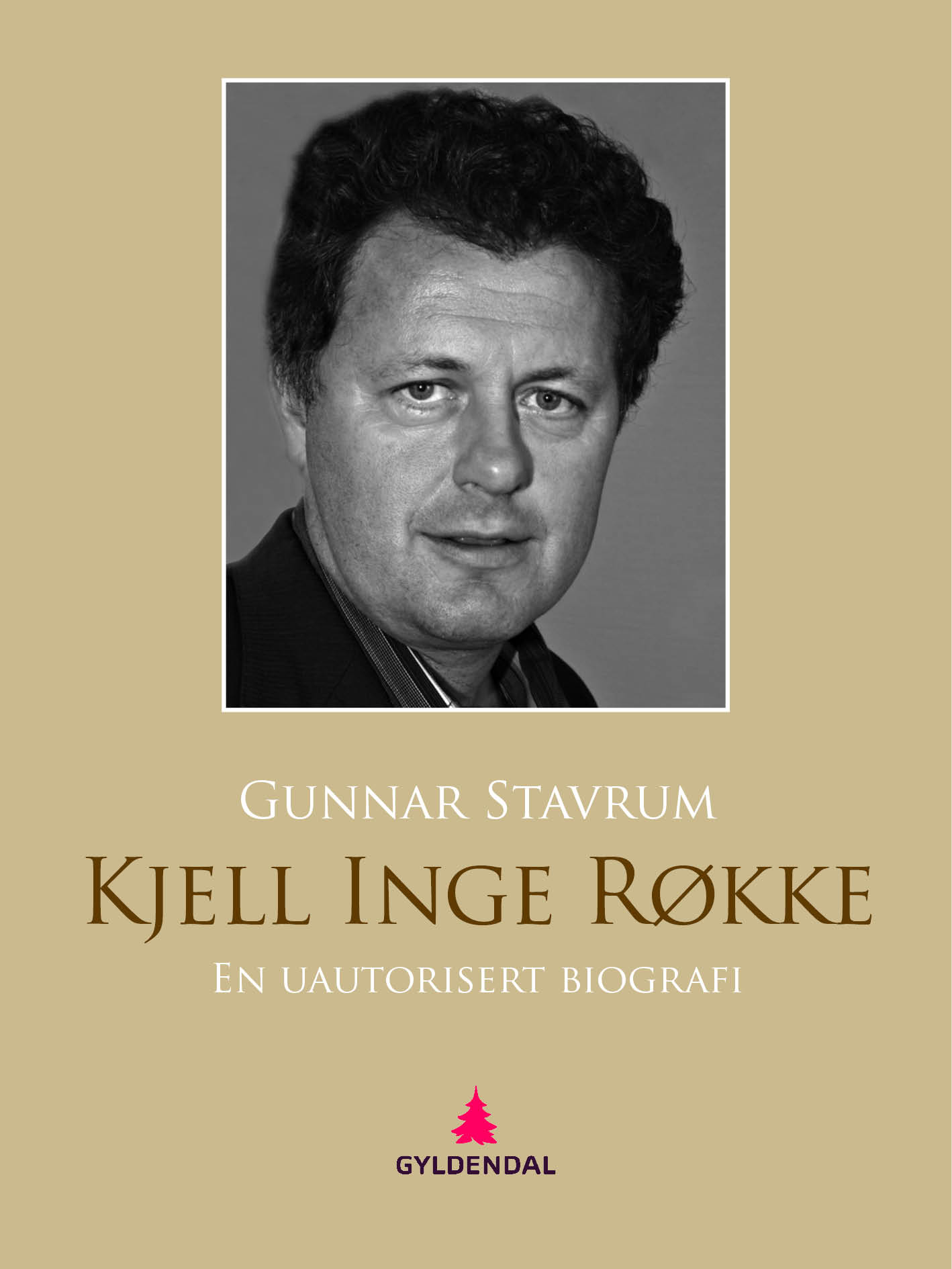
Kjell Inge Røkke (translated)
Gunnar Stavrum · 3 highlights
"Røkke was no different: Each ship was owned by one company. It looked simple on paper, but when one wanted to know who was behind the company, one came up short. For a spiderweb quickly formed that swarmed with owners. This suited Kjell Inge Røkke like a glove since he was almost the only one who had a complete overview. But more importantly, the network was constructed in such a way that Kjell Inge Røkke effectively held all the power. The problem was that Kjell Inge Røkke saw all the money as his own money bin, and the businesses as a gigantic sausage stand where he could control everything alone. It had to go wrong because some of the partners were interested in fishing, while others only thought about real estate. And they immediately went to war with each other when Røkke manipulated the money between the companies. The first "skirmishes" between the partners already came in 1989, when Kjell Inge Røkke, without asking anyone, suddenly withdrew several million kroner – as an "honorarium" because he had the idea of "American Empress". When Torgersen discovered the withdrawal, he became furious. But Røkke told him to shut his mouth: "I have the majority and I do what I want.""
"For Røkke, there was only one thing to do - retaliate in the same coin. He had some good cards in hand, for it is always a tremendous advantage to have the majority. Actually, the outcome had been clear from the start – Røkke could choose between two approaches: Either to completely ignore the partners and let them sit with their pitiful percentages, or he could buy them out. It was a devil's dilemma for Helge Møgster and Harald Torgersen, but they really had no choice. Dejectedly, they accepted Røkke’s offer to buy them out. It was an offer they couldn’t refuse ..."
"Røkke had both the bay and the ends and played ruthlessly. Møgster and Torgersen experienced what it meant to defy him. With support from Mundt and the other partners, Røkke held the power – and he used it hard. The end result was that Møgster and Torgersen received 5.5 million dollars for their bare third-party share of the company, which valued the entire company at 123 million kroner. It was a disgraceful price for a company that was likely worth ten times that. Norwegian tax authorities were alarmed when the sum appeared in the tax returns. They suspected that black money had been paid under the table and initiated an investigation. But it led to nothing, as the incredibly low purchase price was correct."