Publish Papers to Build Standing
Books Teaching This Pattern
Evidence
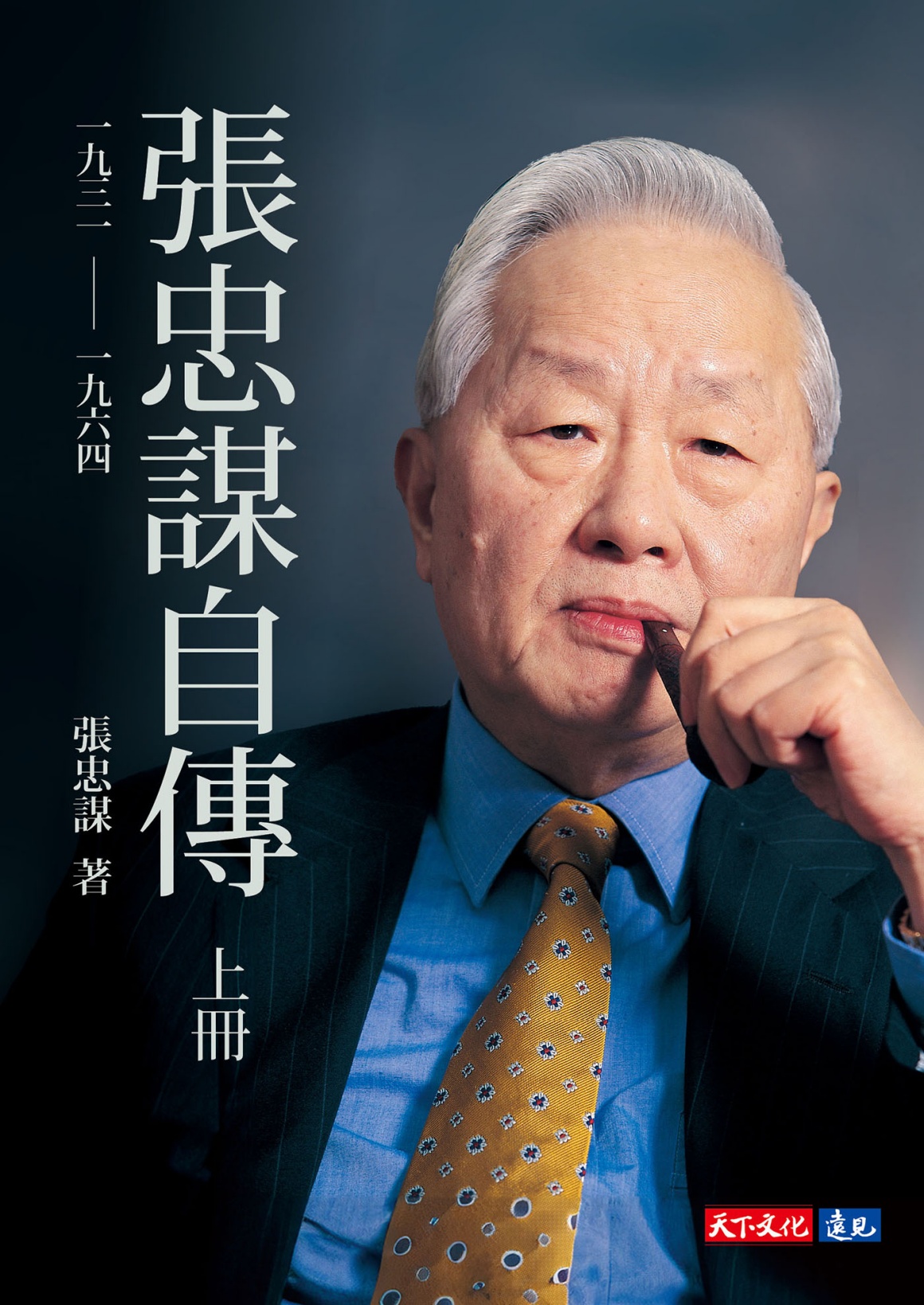
Autobiography of Morris Chang: Volume 1, 1931-1964
張忠謀 · 2 highlights
"My time at Sylvania can be said to have been the beginning of my fervent learning of semiconductor technology. After spending the first few months focusing on Shockley’s Electrons and Holes in Semiconductors, most of what I learned came from academic papers published at the time or from my daily R&D work. Fortunately, my new boss held a Harvard PhD and was quite proficient in transistor theory, which benefited me greatly. Starting in 1956, I began attending semiconductor academic conferences at least two or three times a year. In December 1956, I published my first semiconductor paper, and in 1957 I published two more papers. In hindsight, these papers were insignificant, but they helped quite a bit in raising my standing inside and outside the company."
"Of course, relying solely on myself was absolutely not enough, because the book often contained passages that I read again and again, thought about again and again, and still did not understand. At those times, I had no choice but to ask someone. Ask whom? At that time I worked in Ipswich. Ipswich is a very small town, about sixty or seventy miles from Boston, and driving back and forth took more than three hours. Living in Boston was very inconvenient for me, but my wife was still working in Boston, so we were not in a hurry to find a home in Ipswich. For the first two months, I lived in the only hotel in Ipswich. Staying at the same hotel was a colleague who was recognized within Sylvania as a semiconductor expert; he became my first semiconductor teacher. I remember the hotel room was not comfortable, but it did have a decent restaurant. My “teacher” loved to drink. Every evening from 6:30 p.m. until the restaurant closed at 10 p.m., he spent all his time on alcohol. While drinking, he would also order a dish, to give the meal some meaning. My habit was to sit with him at dinner every day. At that time I still could not really drink, so I ate my dinner while he drank his alcohol, but when I asked him about parts I could not understand, he patiently explained them to me. Although he drank a lot, I never saw him truly drunk, and he indeed was a good expert—he could answer most of my questions. Every night, after I finished my meal and asked my questions, I went back to my room to continue reading. But sometimes when I encountered new questions, I would still go back to the restaurant to find him; as long as it was before the restaurant closed, he was almost certainly drinking alone."